This post contains affiliate links. If you purchase through my links, I may earn a small commission at no extra cost to you. As an Amazon Associate I earn from qualifying purchases. See my full Affiliate Disclosure at /affiliate-disclosure/ for details.
It’s Sunday night. You’ve just spent an exhausting half-hour searching for your child’s soccer cleats – again. The permission slip that was “right here on the counter” has vanished into thin air. Tomorrow morning, everyone will be running late, and you’ll mentally add “reorganize the whole house” to the never-ending list of things you’ll get to someday.
If this sounds familiar, you’re not alone. As a working parent, home organization for families isn’t just a Pinterest fantasy – it’s a genuine survival skill. The difference between a chaotic morning and a smooth one isn’t luck. It’s having systems that work for real families living real lives.
The good news? You don’t need a whole weekend, a professional organizer, or to throw out half your belongings. Small, targeted changes can transform your home – and your mornings – faster than you think. Here’s how to make home organization for families actually stick.
1. Start With the Pain Points – Not the Pretty Spaces
Every home has a few spots that cause 80% of the daily stress: the entryway pile, the kitchen counter avalanche, the junk drawer that swallows everything important. Rather than trying to organize everything at once (a surefire path to burnout), identify your top two or three pain points and start there.
Ask yourself: Where do I lose things most often? Which part of the house makes me cringe when I walk past it? What slows down our morning routine? For most families, the answer is the entryway and the kitchen. These two zones, when organized well, can cut the average family morning scramble by half.
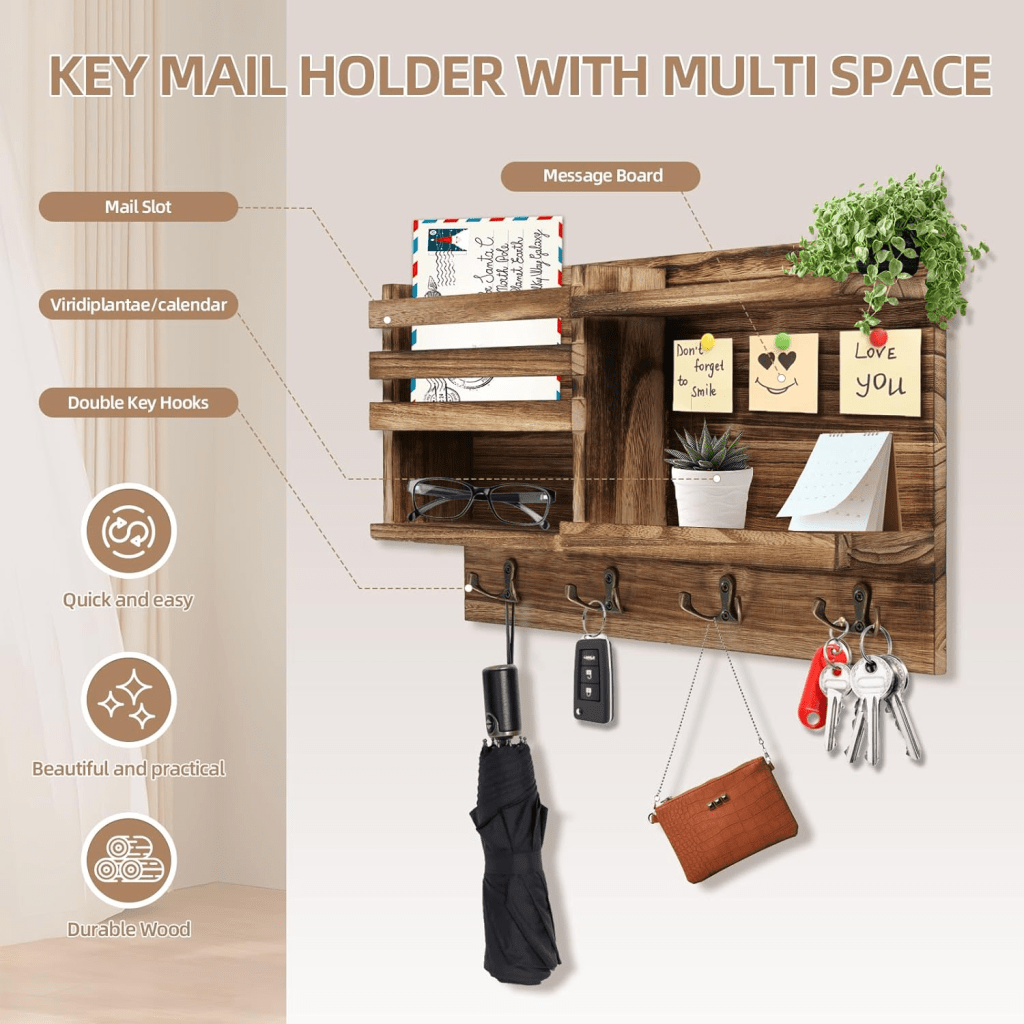
Pick one zone. Spend 45 minutes on it this week. A simple wall-mounted organizer with labeled hooks and cubbies near your door can eliminate the “where are my keys/shoes/backpack?” panic for good.
Here is a wall mounted organizer available on Amazon that I’d recommend – Wall-Mounted Entryway Organizer
2. Build Systems Your Kids Can Actually Follow
The best organization system is one your kids can maintain themselves – even your youngest. This means visual cues, simple containers, and labels with pictures (not just words) for little ones. When you involve kids in creating the system, they’re far more likely to use it. Let your six-year-old pick the color of their homework bin. Let your ten-year-old decide where the shoe rack goes. Ownership breeds responsibility.
Some systems that work beautifully for family home organization:
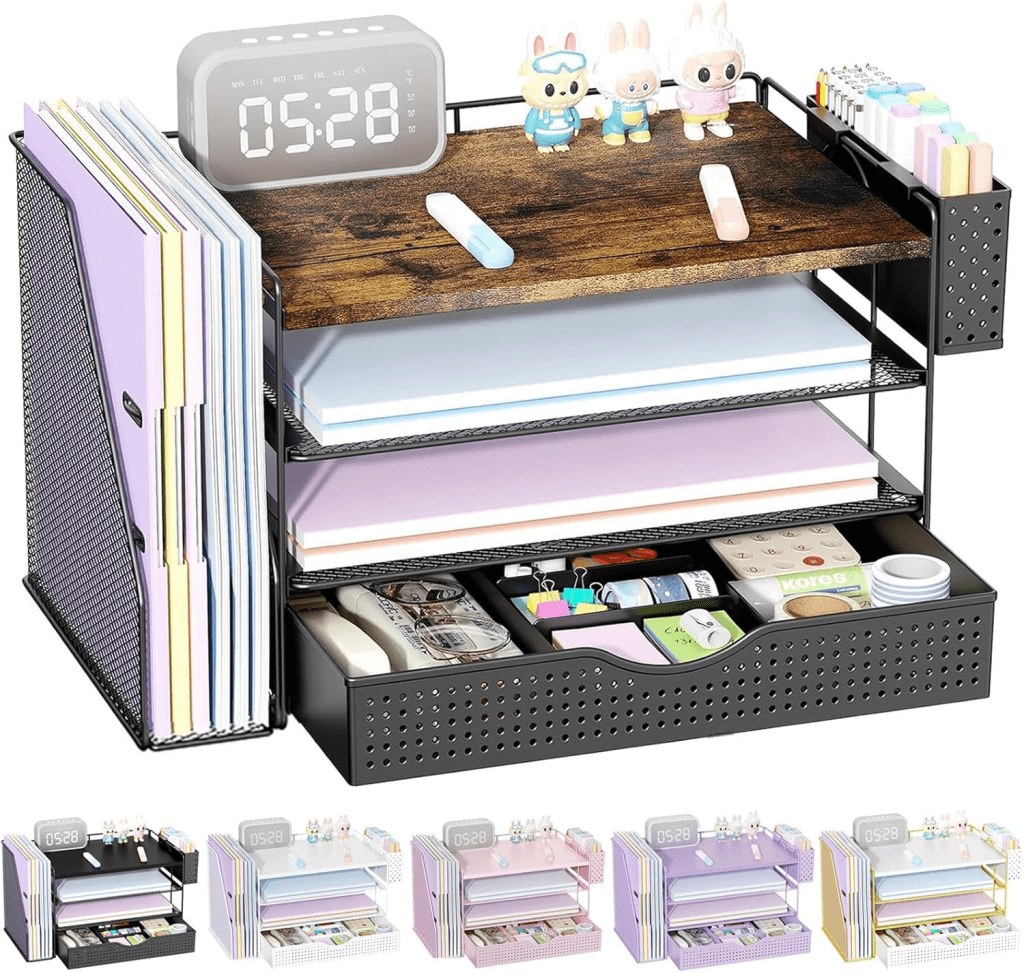
- A designated homework station with everything kids need in one spot – pencils, scissors, glue, paper. No more hunting through three rooms for a single pencil.
- A “launch pad” area for each child near the door: a spot for their backpack, shoes, jacket, and anything needed for the next day.
- Color-coded bins or baskets for each family member so putting things away becomes automatic.
Here is a desktop homework station organizer for kids with pen holder available on Amazon.
3. The 30-Minute Weekly Reset That Changes Everything
A weekly reset is the secret weapon of organized families everywhere. Rather than doing a massive overhaul every few months, a quick 30-minute tidy on Sunday evening keeps things from spiraling. Here’s a simple framework that works:
- Return: Each family member does a 10-minute sweep to put everything back in its home.
- Restock: Refill essentials – paper, snacks, toiletries, whatever your family runs through.
- Review: Take a quick look at the week ahead. Are sports uniforms clean? Is there a permission slip to sign? Do lunches need prep?
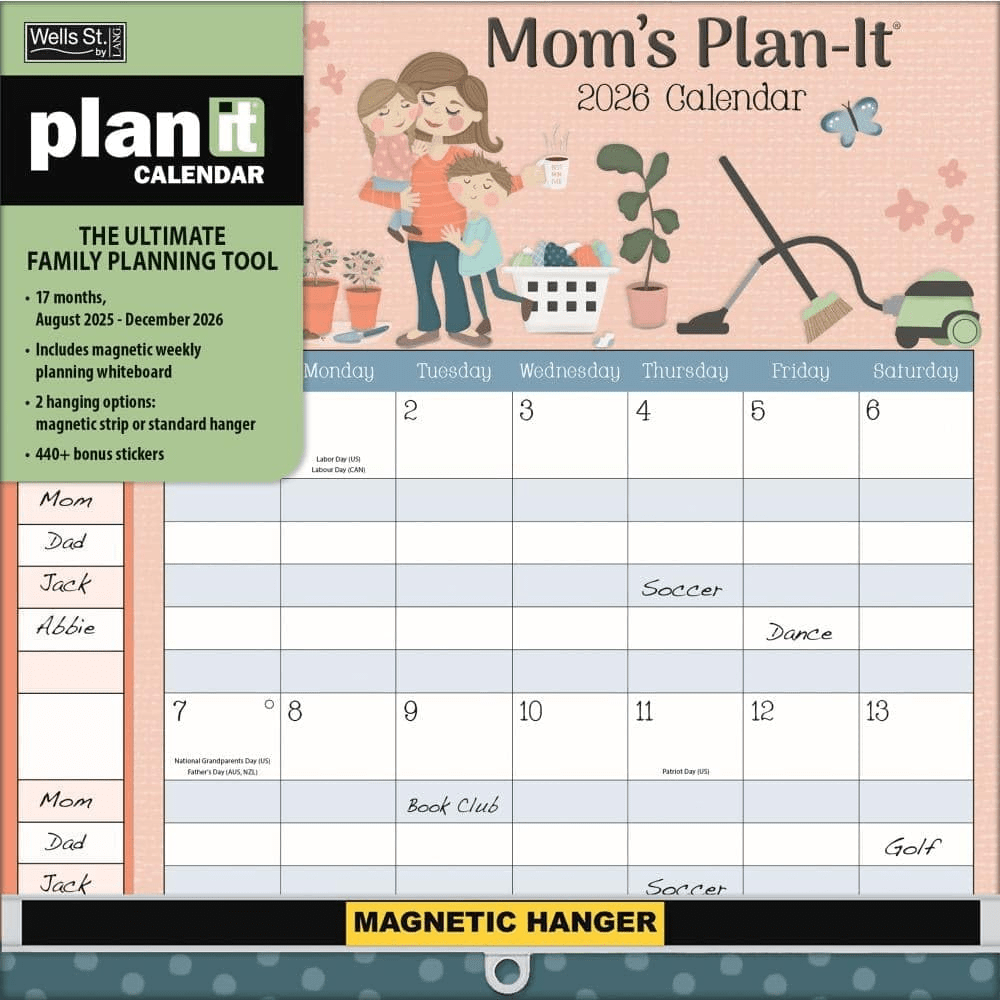
Make this non-negotiable but light. Play music, make it a family affair, keep it short. The goal isn’t perfection – it’s preventing the slow creep of disorder. A solid family planner makes the Review step take two minutes instead of twenty.
Here is a useful wall mounted family wall calendar weekly planner on Amazon.
4. Tame the Paper Monster With a Simple 3-Folder System
Papers – school notes, medical forms, bills, birthday invitations – have a way of multiplying overnight. Without a system, they pile up on every surface and important things get lost in the chaos. You don’t need a sophisticated filing system. You need three categories:
- Action – needs a response or attention this week
- File – important to keep but not urgent
- Trash/Recycle – toss it immediately
Use a simple three-section desktop file holder and commit to processing new paper within 48 hours of it entering the house. Teach your kids to put any school forms directly into the Action folder rather than on the counter. Going digital where possible is a game-changer: photograph permission slips, save schedules to your phone, unsubscribe from paper statements. Less paper in means less paper to manage.
5. When Good Enough Is Actually Perfect
Here’s the truth about home organization for families that no one talks about: the goal is not a perfect home. The goal is a home that supports your family – one where you can find things, where mornings run smoothly, where you don’t end your day feeling like the chaos won.
Give yourself permission to have messy zones. A designated “drop zone” for miscellaneous items is a practical solution, not a failure. A playroom that looks lived-in is a playroom that’s actually being played in. A kitchen counter with a few things on it belongs to real people, not a staged photo shoot.
The families who stay organized long-term aren’t the ones who achieve perfection once – they’re the ones who build small, sustainable habits and reset gently when things slide. And things always slide sometimes. That’s not failure; that’s family life.
Pick one system from this post. Implement it this week. Then come back and share in the comments: which tip will you try first? I’d love to hear what’s working for your family.


Leave a Reply